Marvel, DC & The Boys on Building Powerful Teams

🧠 Team Collaboration in Tech: From SDEs to Staff Engineers — What Marvel, DC, and The Boys Teach Us About Building Powerful Teams
🚀 Opening Hook
Every engineering team looks structured on paper—SDE 1, SDE 2, SDE 3, Senior, Staff, Tech Lead, Engineering Manager.
But in reality?
Most teams don’t fail because of skill gaps.
They fail because they behave like disconnected superheroes instead of a coordinated universe.
Think about it:
- A genius developer like Iron Man alone is powerful
- A god like Thor alone is unstoppable
- But without coordination, even the Avengers lose fights they should win
Engineering teams are the same. Talent is not the problem. Alignment is.
🧩 The Engineering Universe = A Superhero Universe
In Marvel Cinematic Universe storytelling, every hero has a role:
- Iron Man builds systems and strategy
- Captain America aligns the team
- Thor brings raw power when needed
- Hulk solves “impossible problems” with brute force
Now map that to software engineering:
- SDE 1 → learning phase hero (Spider-Man early days)
- SDE 2 → reliable execution (Captain America soldier phase)
- SDE 3 → problem-solving independence (Iron Man mid-era)
- Staff Engineer → system-wide thinker (Nick Fury / strategist role)
- Tech Lead → battle coordination leader (Avengers field commander)
- Engineering Manager → resource + team alignment (mission controller)
The mistake many companies make is assuming hierarchy = importance.
In reality, it’s not hierarchy.
It’s coordination levels in a system.
⚙️ Why Teams Break: The “Justice League Problem”
Even in Justice League storytelling, coordination is often the real weakness—not individual strength.
Batman plans everything. Superman solves everything. But without sync, they overlap, clash, or underutilize each other.
In engineering terms, this looks like:
- Two engineers solving the same problem differently
- Staff engineer designing systems no one adopts
- Tech lead overloaded with both coding + management
- Juniors blocked because decisions don’t flow downward
This is not a talent issue.
This is a communication architecture failure.
🧠 The Chaos Lesson: When Power Has No Structure
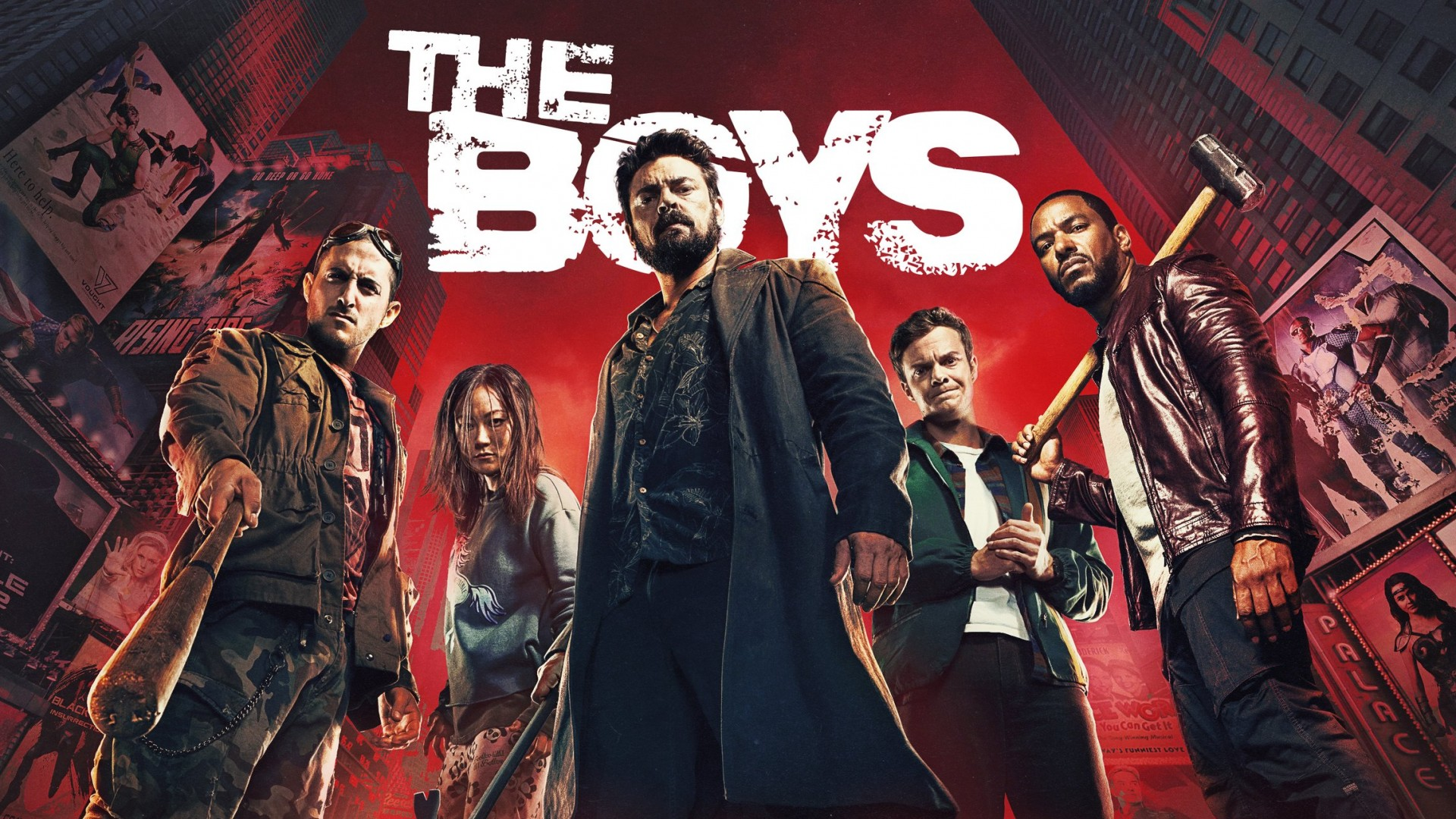
In The Boys, superheroes are powerful—but chaotic, ego-driven, and uncoordinated.
That’s exactly what happens in engineering teams when:
- Senior engineers don’t document decisions
- Leads don’t align direction
- Everyone builds “their own version of truth”
You get speed—but no direction.
It looks productive… until everything collapses under complexity.
A team without structure becomes:
High power. Low trust. Zero scalability.
🧱 What Real Engineering Roles Actually Mean (Beyond Titles)
👶 SDE 1–2: Execution & Learning Layer
They are not just “coders.” They are:
- Signal receivers
- System learners
- Implementation specialists
Their growth depends on clarity, not pressure.
If they are blocked, the system is broken—not the engineer.
🧠 SDE 3 / Senior Engineer: Ownership Layer
This is where individuals stop thinking in tickets and start thinking in systems.
They should:
- Break down ambiguous problems
- Own modules end-to-end
- Reduce dependency chains
Think: Iron Man building modular systems, not just firing repulsors.
🧭 Staff Engineer: System Thinker (The Multiverse Architect)
Staff engineers don’t just solve problems—they decide:
- How systems should evolve
- What should NOT be built
- How teams interact technically
They are not “super senior coders.”
They are force multipliers across the organization.
If Staff Engineers are coding too much, the org is under-leveraging them.
🎯 Tech Lead: Battlefield Coordinator
The Tech Lead is not the smartest coder in the room.
They are the one who ensures:
- Everyone is working on the right thing
- Conflicts are resolved early
- Execution matches design
Think battlefield coordination—not solo heroics.
🧩 Engineering Manager: Alignment Engine
Their job is not technical depth.
It is:
- Removing friction
- Aligning people
- Ensuring sustainable delivery
They are closer to Nick Fury than Tony Stark.
🔥 The Real Secret: Collaboration > Talent
A team of average engineers with perfect alignment will outperform a team of geniuses without coordination.
Because software doesn’t fail at code level.
It fails at:
- Miscommunication
- Broken ownership
- Unclear boundaries
- Lack of system thinking
🚀 Future of Engineering Teams
The next evolution of engineering orgs is already happening:
- Less hierarchy, more fluid roles
- More system ownership, less ticket ownership
- AI-assisted coding shifting focus from writing code → designing systems
- Staff engineers becoming internal architects of ecosystems
In the future, the best teams will behave less like corporate org charts…
…and more like well-coordinated cinematic universes.
Not chaotic superhero brawls.
More like precision orchestration.
🧠 Final Thought
Marvel shows us what happens when heroes align.
DC shows us what happens when power exists without structure.
And The Boys shows what happens when power has no governance at all.
Modern engineering teams sit somewhere in between.
The winning formula is simple:
Clear ownership + strong communication + system thinking = scalable engineering excellence
Because in the end, the best teams don’t look like superheroes fighting together.
They look like a single system working as one mind.
Was this article helpful?
Your feedback helps us create better content.
Discussion.
Handpicked for you.
"Continuity is the secret to mastery. If you enjoyed our deep dive into Marvel, DC & The Boys on Building Powerful Teams, we've selected these related insights based on your unique interests."